You have come to the right page if you are looking for the best remote desktop software. With remote desktop software, a user can connect to and control a device on the other side of the internet or a home network — the user would experience it as if sitting in front of it. It allows accessing the resources of another device wholly, making it immensely valuable for professionals, IT technologists, and organizations dealing in industrial applications or data centers. Whether for technical support, collaboration, or workflow optimization, having the right software is the determining factor.
I've seen teams buy the wrong remote access software because they focused on price first and only noticed the missing audit logs, weak permissions, or clunky mobile app later. This guide compares free and paid remote desktop tools, explains where classic RDP fits in, and gives you practical picks for IT support, small business, personal use, and self-hosted deployments. Before we get into the list, if you need a primer on the protocol itself, read what is RDP it makes the rest of the comparison easier to understand.
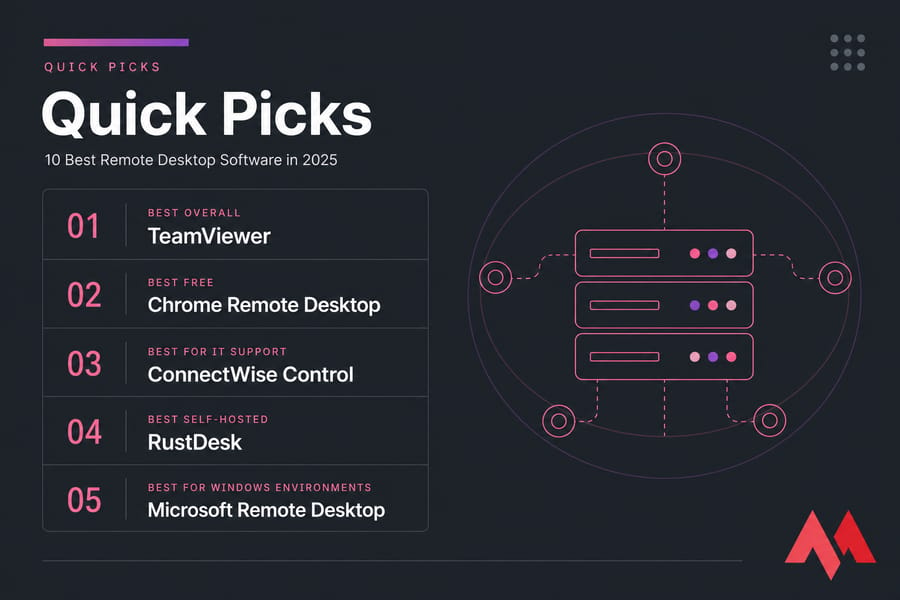
📊 Best Remote Desktop Software — Quick Comparison Table
A fast table helps more than ten long paragraphs. Here's the short version first.
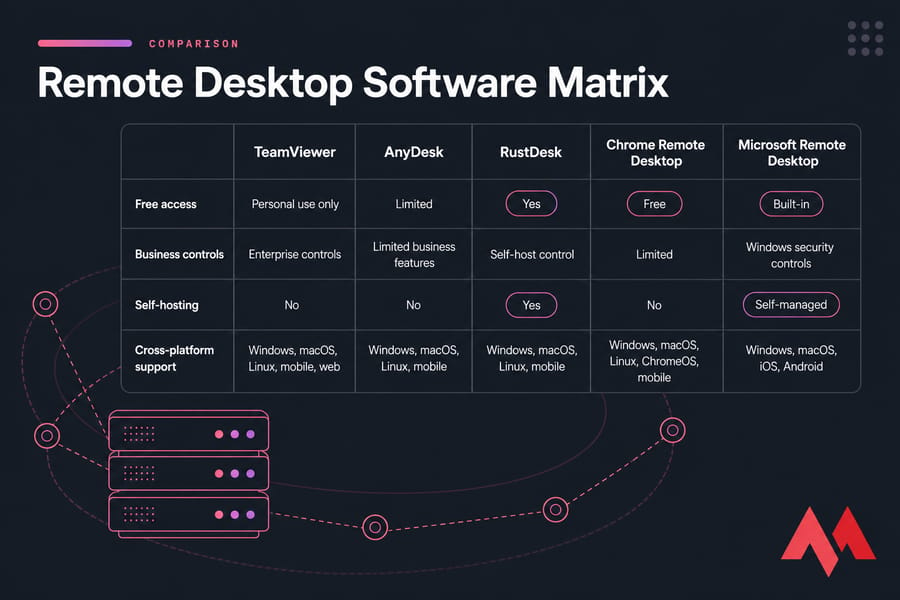
| Software | Best For | Free Plan | Starting Price | Platforms | Unattended Access | File Transfer | Security | Self-Hosted Option |
|---|---|---|---|---|---|---|---|---|
| TeamViewer | General business use | Personal use only | Paid plans | Windows, macOS, Linux, mobile, web | Yes | Yes | Encryption, MFA | No |
| AnyDesk | Fast remote access | Limited | Paid plans | Windows, macOS, Linux, mobile | Yes | Yes | Encryption, MFA | No |
| ConnectWise Control | IT support teams | No | Paid plans | Windows, macOS, Linux, web | Yes | Yes | Role-based access, logging | Yes |
| Zoho Assist | Help desk and SMBs | Yes | Paid plans | Windows, macOS, Linux, mobile, web | Yes | Yes | Encryption, MFA | No |
| Splashtop Business Access | Small business remote work | No | Paid plans | Windows, macOS, iOS, Android | Yes | Yes | MFA, device auth | No |
| RustDesk | Self-hosted remote desktop | Yes | Free / paid enterprise | Windows, macOS, Linux, mobile | Yes | Yes | Encryption, self-host control | Yes |
| VNC Connect | Cross-platform admin access | No | Paid plans | Windows, macOS, Linux, Raspberry Pi, mobile | Yes | Yes | Encryption, permissions | No |
| LogMeIn Pro | Established business remote access | No | Paid plans | Windows, macOS, mobile | Yes | Yes | Encryption, MFA | No |
| Chrome Remote Desktop | Free personal access | Yes | Free | Windows, macOS, Linux, ChromeOS, mobile | Yes | Limited | Google account security | No |
| Microsoft Remote Desktop | Windows environments | Built-in | Included with supported Windows editions | Windows, macOS, iOS, Android | Yes | Basic | NLA, Windows security controls | Self-managed |
If you're comparing protocol choices rather than just apps, this breakdown of RDP vs VNC is worth reading too.
🔟 The 10 Best Remote Desktop Software Tools in 2026
This list mixes mainstream remote support software, business-friendly remote PC access tools, and a couple of simpler options that still make sense for the right user.
1. TeamViewer
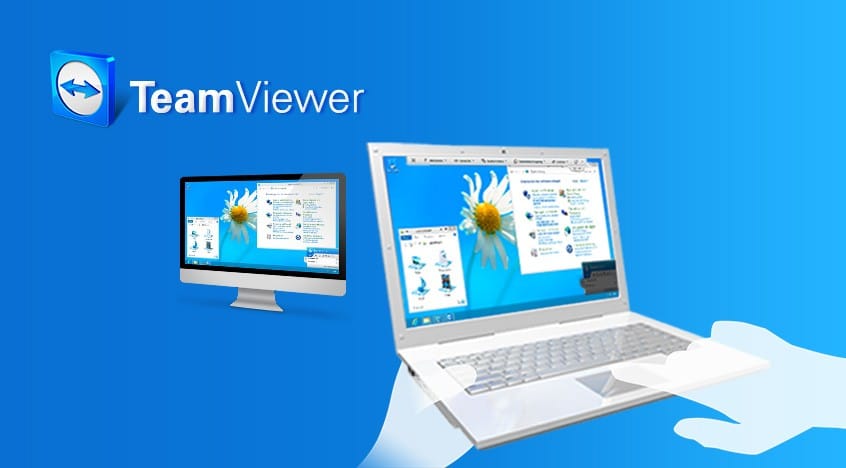
TeamViewer was established in 2005 in Germany and has grown into a leading worldwide remote desktop provider with more than 2 billion devices actively using it and approximately 45 million systems active at any time. Best for: businesses that need polished cross-platform remote support software. Key features include unattended remote access, file transfer, session sharing, browser-based access, MFA, and enterprise controls.
Pros and cons: setup is usually easy, and support staff already know it. The downside is cost — for larger teams, pricing can climb fast. Pricing: personal use is free; business plans are paid. Platforms: Windows, macOS, Linux, Android, iOS, and web. If you're comparing it directly with native Windows access, see TeamViewer vs RDP.
2. AnyDesk
AnyDesk came into existence in 2014, and more than 300 million users have downloaded their remote desktop software. They use DeskRT, a proprietary codec that provides virtually latency-free connections even on lower bandwidth internet. Best for: users who care about low-latency remote access. Key features include unattended access, file transfer, clipboard sync, and multi-monitor support.
Pros and cons: fast and lightweight, with less overhead than some bigger suites. But some business features are more limited unless you move up the pricing ladder. Pricing: free tier for limited use, paid plans for business. Platforms: Windows, macOS, Linux, Android, iOS. For a common head-to-head, check AnyDesk vs TeamViewer.
3. ConnectWise Control
ConnectWise Control is a speedy and highly reliable RDP alternative, built more for technicians than casual users. Best for: IT help desks, MSPs, and support teams handling lots of sessions. Key features include session management, unattended access, role-based permissions, audit-friendly controls, built-in VOIP for online meetings, and over 120 extensions for customizing your remote support experience.
Pros and cons: excellent for support workflows and scalable administration. The tradeoff is that it can feel like overkill for one-person use. Pricing: paid plans and enterprise pricing. Platforms: Windows, macOS, Linux, and web access.
4. Zoho Assist
Zoho Assist is cloud-based remote support software that helps you connect with customers from anywhere via web-based or on-demand remote support sessions. Best for: small businesses that want remote support software without enterprise-level complexity. Key features include browser-based sessions, unattended access, file transfer, reboot and reconnect, voice or video chat during sessions, and MFA.
Pros and cons: good value, fairly easy deployment, and a practical free plan. Pricing: free and paid tiers. Platforms: Windows, macOS, Linux, Android, iOS, web. Discover more about maximizing productivity with Multiple RDP Sessions.
5. Splashtop Business Access
This is one of the most desirable options for professional businesses — the most popular premium remote desktop software worldwide. Best for: remote workers and small teams that need reliable access to office machines. Key features include unattended access to Windows, Linux, or Mac computers, file transfer via drag and drop, remote printing, multi-monitor support, and strong security with 256-bit AES encryption, two-factor verification, and TLS protection.
Pros and cons: usually cheaper than some premium rivals and performs well for remote work. But it's less flexible than full support-focused platforms. Pricing: paid plans. Platforms: Windows, macOS, iOS, Android. Ready to harness the power of RDP on your Mac? Dive into our guide on How to Use RDP Client for Mac.
6. RustDesk

RustDesk gives you the tools to set up an open operating system for remote desktop software without worrying about privacy — it's free and self-hosted, so users have relay or ID server options to own their data with end-to-end encryption. Best for: anyone who wants self-hosted remote desktop software. You can run your own relay and ID server, which gives you more control over privacy, routing, and compliance posture.
Pros and cons: open-source, flexible, lightweight, and one of the best options for self-managed deployments. But you'll need more technical comfort than you would with TeamViewer or Chrome Remote Desktop. Pricing: free open-source core, paid enterprise options. Platforms: Windows, macOS, Linux, Android, iOS.
7. VNC Connect
VNC Connect aims to provide a consolidated remote access strategy with fully encrypted sessions and multi-factor authentication. Best for: cross-platform administration, especially when VNC fits your environment better than RDP. Key features include attended and unattended access, file transfer, session permissions, and broad OS support including Linux-heavy setups and Raspberry Pi.
Pros and cons: flexible platform coverage and familiar VNC workflow. Performance can feel less snappy than proprietary low-latency tools. Pricing: paid plans. Platforms: Windows, macOS, Linux, Raspberry Pi, mobile. If you're managing VNC environments, these guides on VNC port configuration and security and how to install VNC Server on CentOS are useful next reads.
8. LogMeIn Pro
LogMeIn Pro is another fantastic RDP alternative. Best for: users who want a long-established remote control software platform with business polish. Key features include remote access from anywhere, file transfer, multi-monitor display, remote printing, 1 TB of data storage, and built-in antivirus protection against viruses, malware, and online threats.
Pros and cons: reliable and recognizable. But price is the catch — it tends to be one of the more expensive choices for what you get. Pricing: paid plans only. Platforms: Windows, macOS, iOS, Android.
9. Chrome Remote Desktop
Google Chrome Remote Desktop is a free and friendly remote access tool allowing users to connect to other computers or securely share screens over the internet via the Chrome browser — no need to install further software. Best for: free personal use and quick ad hoc support. Key features include simple setup, unattended remote PC access, and availability on all major operating systems.
Pros and cons: free, lightweight, and beginner-friendly. But business controls are thin — no serious admin console, limited collaboration depth, and not much in the way of compliance features. Pricing: free. Platforms: Windows, macOS, Linux, ChromeOS, Android, iOS.
10. Microsoft Remote Desktop
Microsoft Remote Desktop is a free built-in solution for Windows users, providing secure remote access to Windows PCs, virtual desktops, and applications with Network Level Authentication (NLA). Best for: Windows-first environments that already understand RDP. Key features include RemoteApp for starting specific applications without an entire desktop session, and support for macOS, iOS, and Android clients.
Pros and cons: built into the Windows ecosystem, efficient, and familiar. But internet-facing RDP needs careful hardening, and setup is less beginner-friendly than browser-based tools. Pricing: generally included with supported Windows setups. Platforms: Windows, macOS, iOS, Android. If you use Apple hardware, here's a guide on how to use an RDP client for Mac. For advanced Windows setups, you may also need how to change RDP screen resolution, or help fixing RDP and Windows VPN problems. And yes, if you've been considering hacks like wrapper tools, read what RDP Wrapper is and whether it's safe first. For a dedicated Windows environment with full admin access, a Windows VPS gives you the flexibility to configure RDP exactly how you need it. If you want to buy RDP with full access, use the link: Buy RDP.
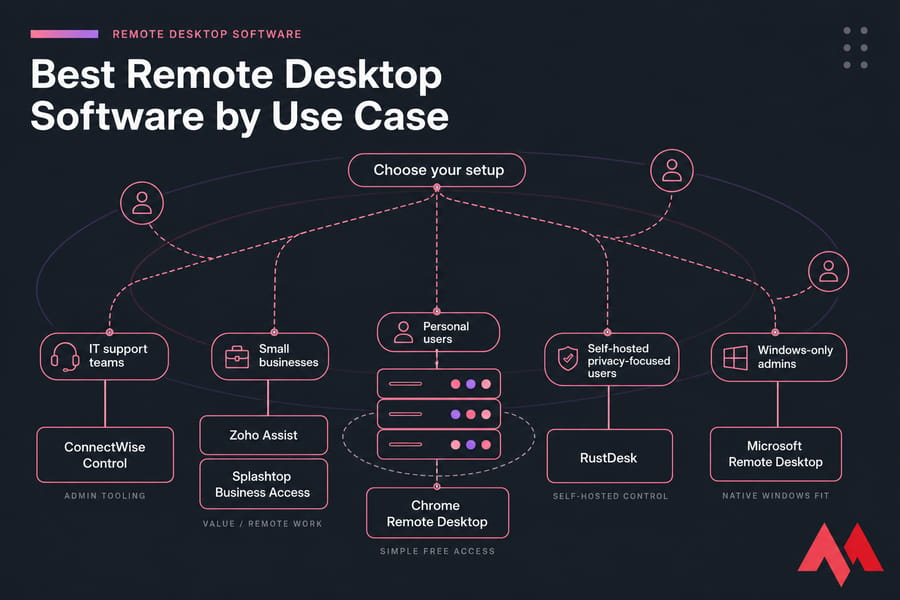
🎯 Best Remote Desktop Software by Use Case
Best Overall
TeamViewer. It isn't the cheapest, but it covers the most ground well: cross-platform support, remote support, unattended access, mobile access, and business-ready security.
Best Free Remote Desktop Software
Chrome Remote Desktop for simplicity, RustDesk for users who want more control. One is easier; the other is more flexible.
Best for IT Support Teams
ConnectWise Control. Its admin tooling, permissions, and support workflow features make it a better fit for technicians than basic desktop sharing tools.
Best for Small Businesses
Zoho Assist or Splashtop Business Access. Zoho gives you support-friendly features at a sensible price, while Splashtop is excellent for day-to-day remote employee access.
Best Self-Hosted Option
RustDesk. If self-hosting is a hard requirement, it's the obvious pick on this list.
Best for Windows Environments
Microsoft Remote Desktop. If your stack is already built around Windows Server and RDP, native tools still make a lot of sense.
Best for Personal Use
Chrome Remote Desktop. It does the basics with almost no setup pain.
🔍 How We Chose the Best Remote Desktop Software
This ranking is based on publicly available vendor documentation, platform support, pricing pages, and use-case fit rather than lab benchmarking. That's the honest version.
Security and Access Controls
We prioritized end-to-end encryption or equivalent transport security, MFA, device authentication, role-based permissions, session logging, and access controls.
Performance and Reliability
Low-latency remote access, bandwidth optimization, reconnect behavior, multi-monitor support, and session stability mattered a lot.
Ease of Deployment
Some tools are ready in minutes. Others need firewall rules, policy tuning, or self-hosted components. Both models can be good — but they serve different buyers.
Platform Compatibility
Cross-platform remote desktop matters now more than ever. Windows-only tools can still win, but they lose points if they lock out Mac or Linux users.
Pricing and Value
We looked at free plans, paid entry points, and how quickly costs rise as teams scale. A cheap tool that breaks your support workflow isn't actually cheap.
📋 What to Look for in Remote Desktop Software
Security Features
Look for MFA, device approval, session recording, audit trail options, and permission granularity. If you're in a regulated environment, also think about compliance posture and SSO.
Unattended Access
This is essential for admins and support teams. You don't want to wait for someone to click "accept" every time a server or office PC needs attention.
File Transfer and Collaboration Tools
Clipboard sync, file transfer, remote reboot, chat, screen sharing, and session handoff save real time.
Cross-Platform Support
Make sure the tool works across Windows, Mac, Linux, mobile, and maybe a web client if browser-based remote desktop matters to you.
Scalability for Teams
Solo use is one thing. Team administration is another. Shared queues, permissions, logging, and technician management are where free tools usually start to fall short.
🆚 Remote Desktop Software vs RDP vs VNC: What's the Difference?
RDP is Microsoft's remote desktop protocol. VNC is a broader screen-sharing approach built around remote framebuffer concepts. Remote desktop software is the larger category that includes tools using RDP, VNC, proprietary protocols, or browser delivery. If you want built-in Windows remote access, RDP is often the direct route. If you need broad OS support or older mixed environments, VNC can fit. If you want polished remote support workflows, dedicated remote desktop software usually wins. For deeper comparisons, read best RDP alternatives.
💲 Free vs Paid Remote Desktop Software
Free remote desktop software is great for personal machines, occasional support, and simple one-to-one access. Chrome Remote Desktop is the easiest example. RustDesk is compelling if you want open-source control. Paid tools earn their keep when you need technician teams, audit logs, role-based permissions, compliance support, or centralized administration. And if your goal isn't just software but a hosted desktop you can log into from anywhere, you may be better served by best RDP providers. For Linux users who need a graphical remote desktop, Ubuntu RDP offers a pre-configured environment without the manual setup hassle.
🏁 Final Verdict: Which Remote Desktop Tool Should You Choose?
Choosing the right remote desktop software will depend on the usage you plan to give — whether personal, IT support, or business operations. If you want the safest all-round choice for mixed environments, pick TeamViewer. If you're running an IT support desk, go with ConnectWise Control. If cost matters and you need something practical for a small team, Zoho Assist or Splashtop makes more sense. If privacy and self-hosting are non-negotiable, choose RustDesk. And if you're living in a Windows-first world already, Microsoft Remote Desktop is still hard to beat.
Start with the use case, not the brand. That's where most buyers get it wrong. While some tools provide advanced management and enterprise-level security, others are straightforward speed, security, or cost: these 10 options assure reliable remote access for different uses. Need the next step? Explore the best RDP providers if you want hosted options, or buy RDP with full access if you're ready for a Windows remote environment now.